Best ERP for Manufacturing: Streamline Your Production Process Efficiently
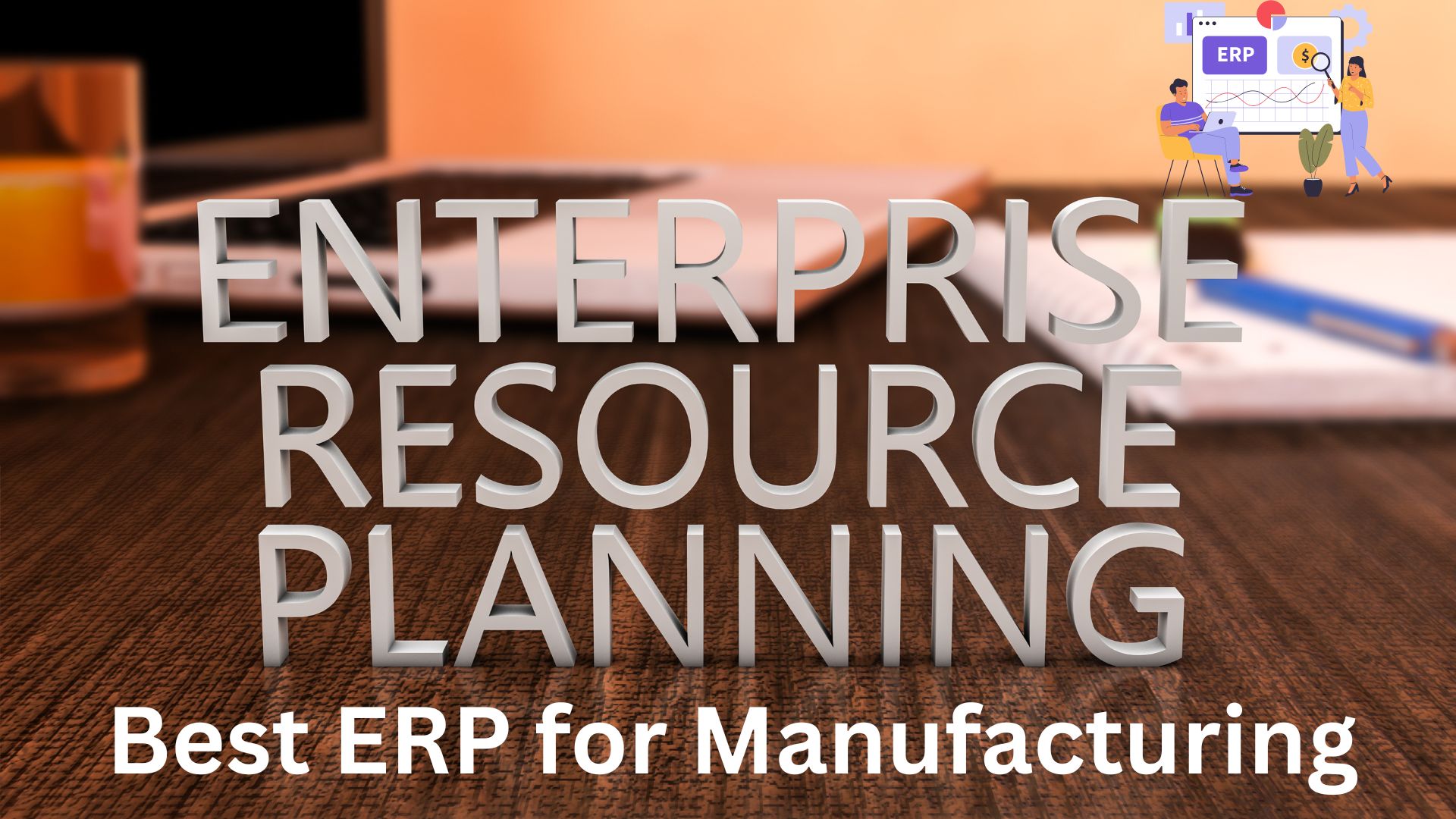
In today’s fast-paced industrial world, manufacturing companies face constant challenges—managing resources, optimizing production, tracking inventory, and maintaining cost efficiency. To overcome these challenges, businesses are turning to modern ERP (Enterprise Resource Planning) software solutions. But the big question remains: What is the best ERP for manufacturing?
In this article, we’ll explore what makes ERP systems essential for manufacturers, the top features to look for, and the best ERP software options that can transform your manufacturing business.
Why do manufacturing businesses need ERP software?
Manufacturing companies handle complex processes every day. Without an integrated system, it is easy to lose track of inventory, delay production schedules, and mismanage finances. Here’s why an ERP system is necessary:
Centralized data management: All your business data is stored in one place, making it easy to access and analyze.
Improved Productivity: Automation reduces repetitive tasks and increases team efficiency.
Real-time visibility: Instantly track production, stock levels and sales performance.
Cost control: Identify waste and optimize resource allocation to reduce costs.
Scalability: ERP software grows with your business needs, whether you are a small manufacturer or a large enterprise.
Key Features of the Best ERP for Manufacturing
When choosing the best ERP for manufacturing, it is important to focus on features that meet the specific needs of production-driven businesses. Here are the most important:
- Production Planning and Scheduling
An ERP with strong production planning capabilities helps manufacturers run production, manage work orders, and allocate resources efficiently.
- Inventory and Supply Chain Management
Effective ERP software tracks raw materials, components, and finished goods, ensuring that you never face stock shortages or overproduction.
- Quality Control
Top ERPs include built-in quality control tools to monitor product standards and reduce defects.
- Real-Time Reporting and Analytics
Data-driven dashboards and customizable reports help management make informed decisions quickly.
5. Accounting and Financial Management
Integrated financial modules simplify budgeting, billing and cost management – all in one system.
- Cloud-based access
The best ERPs offer cloud solutions, helping teams securely access data from anywhere.
Top ERP Software for Manufacturing in 2025
Here are some of the best ERP solutions for manufacturing companies that stand out in terms of features, reliability, and user satisfaction:
- SAP S/4HANA
A powerful and scalable ERP platform ideal for large manufacturers. It offers advanced analytics, AI integration, and automation tools to increase efficiency across all operations.
- Oracle NetSuite
A cloud-based ERP solution that is suitable for both small and medium-sized manufacturers. NetSuite covers everything from order management to supply chain and production tracking.
- Microsoft Dynamics 365
Microsoft’s ERP is known for its flexibility and seamless integration with other Microsoft tools. It’s great for manufacturers looking for robust financial management and workflow automation.
- Odoo Manufacturing
An open-source ERP that offers customization at an affordable price. It is ideal for small to medium-sized manufacturers who need modular flexibility.
- Information about CloudSuite Industrial (Siteline)
Designed specifically for manufacturers, it offers robust planning, scheduling, and inventory control features specifically for different manufacturing industries.
- Epicor ERP
Epicor is known for its industry-specific solutions that simplify complex production workflows and provide excellent scalability for growing manufacturers.
How to Choose the Right ERP for Your Manufacturing Business
Selecting the best ERP for manufacturing depends on the size of your company, type of industry, and long-term goals. Consider the following points before making your decision:
Understand your needs: Identify what problems you need to solve – inventory control, production planning, or cost reduction.
Budget Wisely: Compare Software Pricing Models (Subscription vs. License).
Check integration: Make sure it integrates with your existing tools like CRM, HRM, or accounting software.
Ease of use: A user-friendly interface reduces training time and increases adoption.
Support and Updates: Choose a vendor that offers regular updates and strong customer support.
Benefits of Implementing ERP in Manufacturing
Implementing the right ERP solution brings measurable improvements to your operations. Here are the top benefits:
- reduction in production costs
- Improve decision making through real-time data
- Streamlined operations and better resource utilization
- Customer satisfaction increased due to timely delivery
- Regulatory compliance and traceability
Read More 👉 Best MLM Software Development Company – CoderMindX
Conclusion
The best ERP for manufacturing isn’t just about advanced features – it’s about how well the system aligns with your business goals. Whether you’re a small manufacturing startup or a large-scale enterprise, investing in the right ERP can increase productivity, cut costs and position your business for sustainable growth.